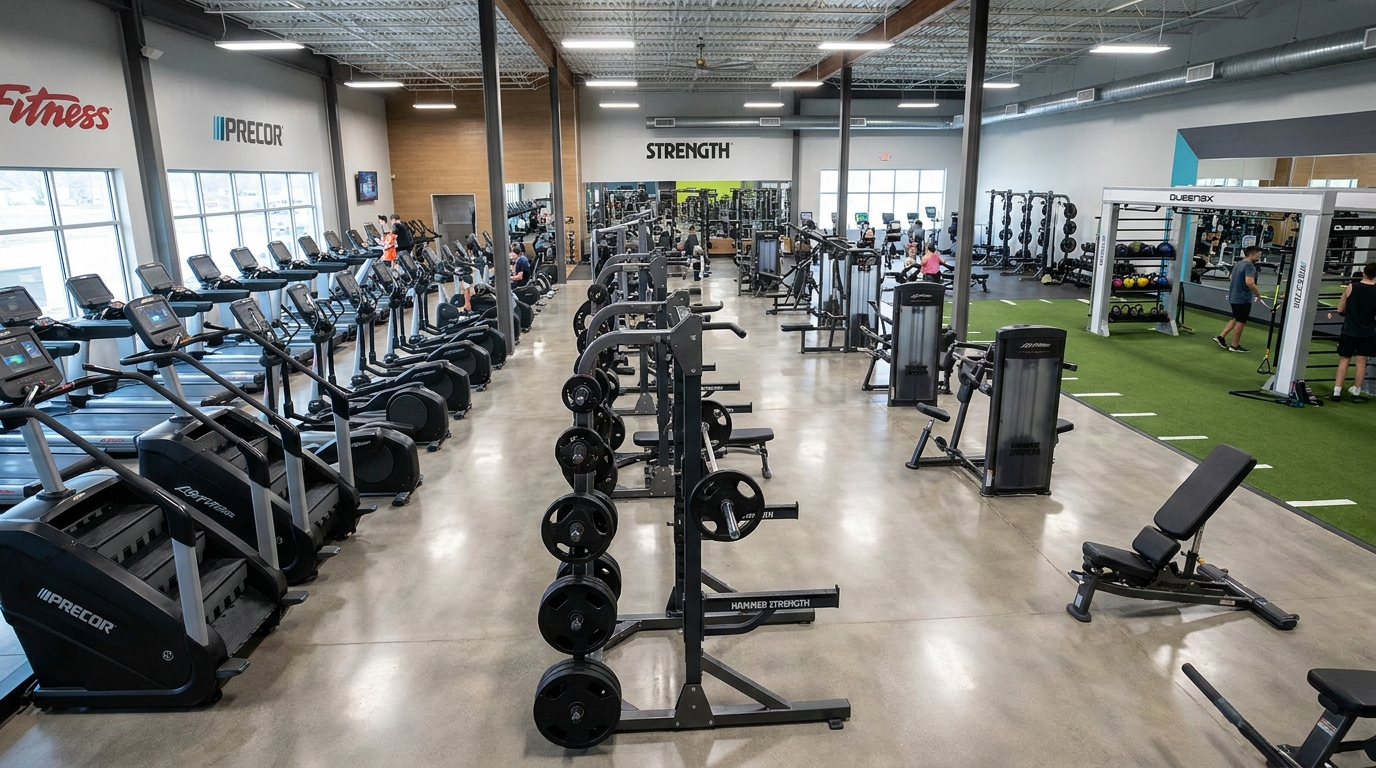
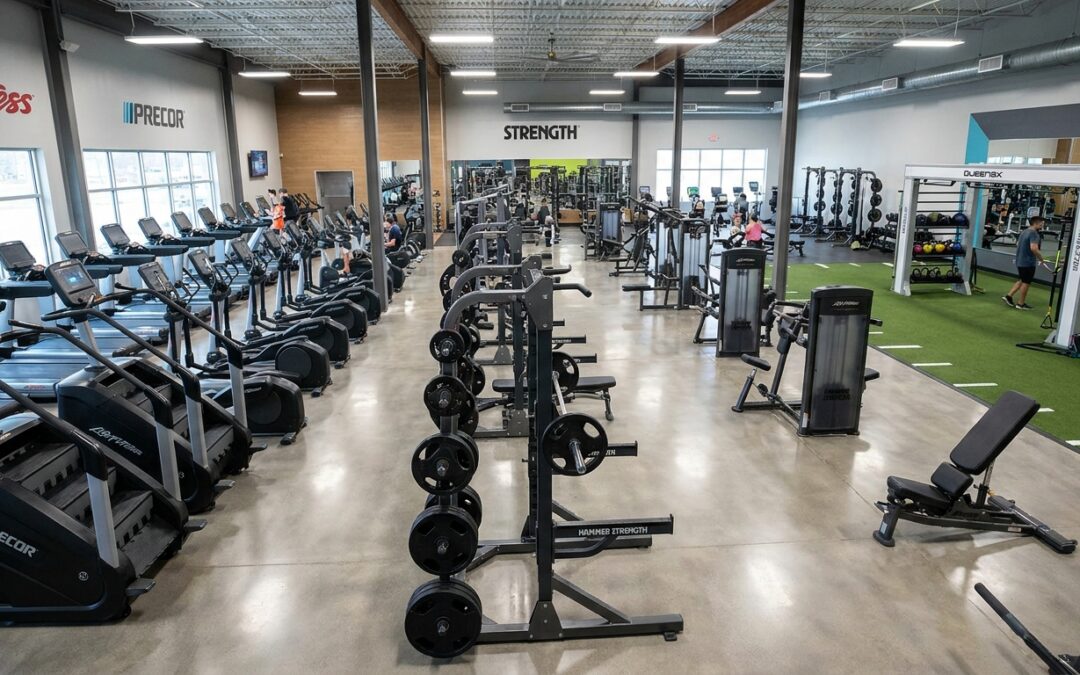
Buying commercial gym equipment for sale is a major investment, and the right purchase can shape your gym’s reputation, member retention, and long-term operating costs. In 2026, buyers are paying closer attention to durability, warranty coverage, layout efficiency, and service support before they commit to a purchase.
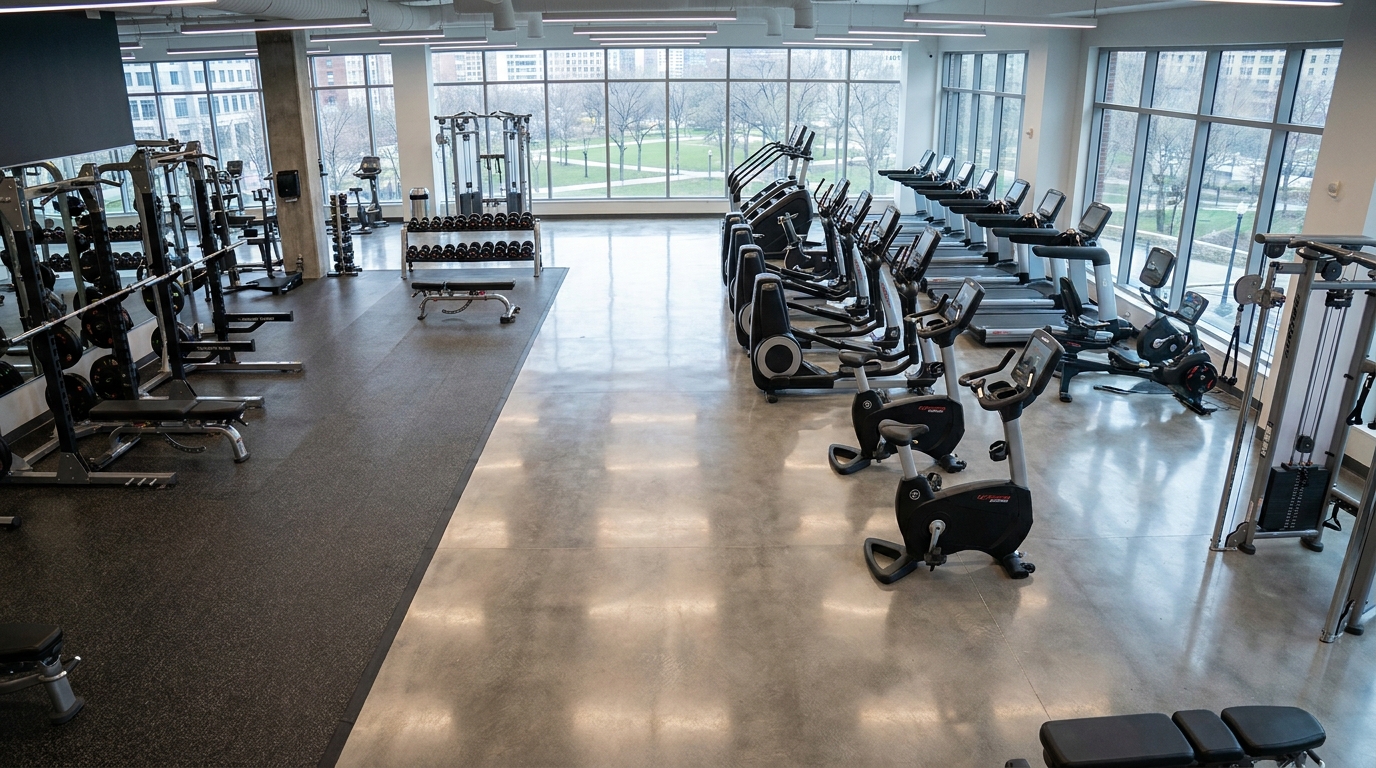
Why Commercial Equipment Matters
Commercial-grade equipment is built for heavy, repeated daily use, which is why it performs better in gyms, hotels, apartments, studios, and corporate wellness spaces. Compared with lighter-duty options, commercial models usually have stronger frames, heavier-duty components, and better long-term reliability under constant use.
That matters because breakdowns cost more than repair bills. They create downtime, frustrate members, and can make a facility look underprepared, so quality and reliability should come before bargain pricing alone.
What to Buy First
Start with equipment that matches your customer base and traffic patterns. If your gym serves general fitness users, a strong mix usually includes treadmills, bikes, rowers, selectorized strength machines, racks, benches, dumbbells, and plates; if you serve athletes or bodybuilders, you may need more free-weight and performance training gear.
A practical way to prioritize purchases is to separate them into three buckets:
Must-have items that support core workouts and daily traffic.
Space-saving pieces that increase versatility.
Expansion equipment you can add later as membership grows.
New vs Remanufactured
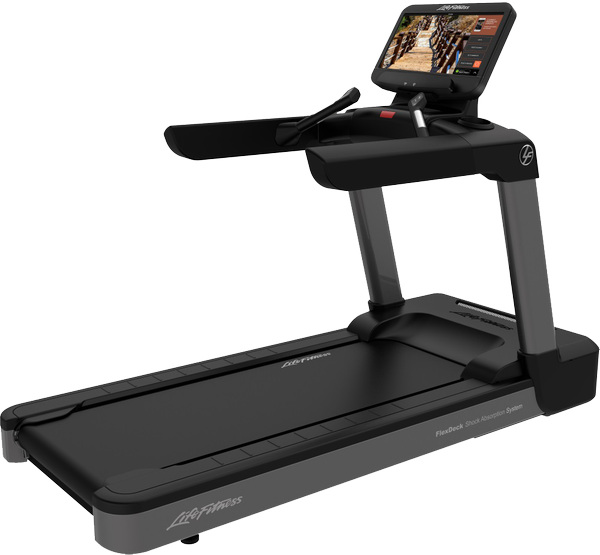
New equipment is the best choice when you want the latest features, full factory packaging, and the longest expected service life from day one. It also tends to come with the strongest warranty terms and the least uncertainty around wear, parts, and cosmetic condition.
Remanufactured equipment sits between new and used. It is typically disassembled, inspected, repaired, fitted with replaced wear parts, and restored to a like-new working condition, which can make it a smart value option for buyers who want commercial durability without paying full new-equipment pricing.
Here’s the simplest way to think about it:
New: Highest upfront cost, lowest uncertainty.
Remanufactured: Lower cost than new, but still professional-grade and refreshed.
Used: Usually the cheapest, but with the most risk and least consistency.u want predictable performance and a cleaner presentation for members, remanufactured often hits the sweet spot. It is especially attractive for buyers opening a new facility on a controlled budget or upgrading multiple machines at once.
Buying Checklist
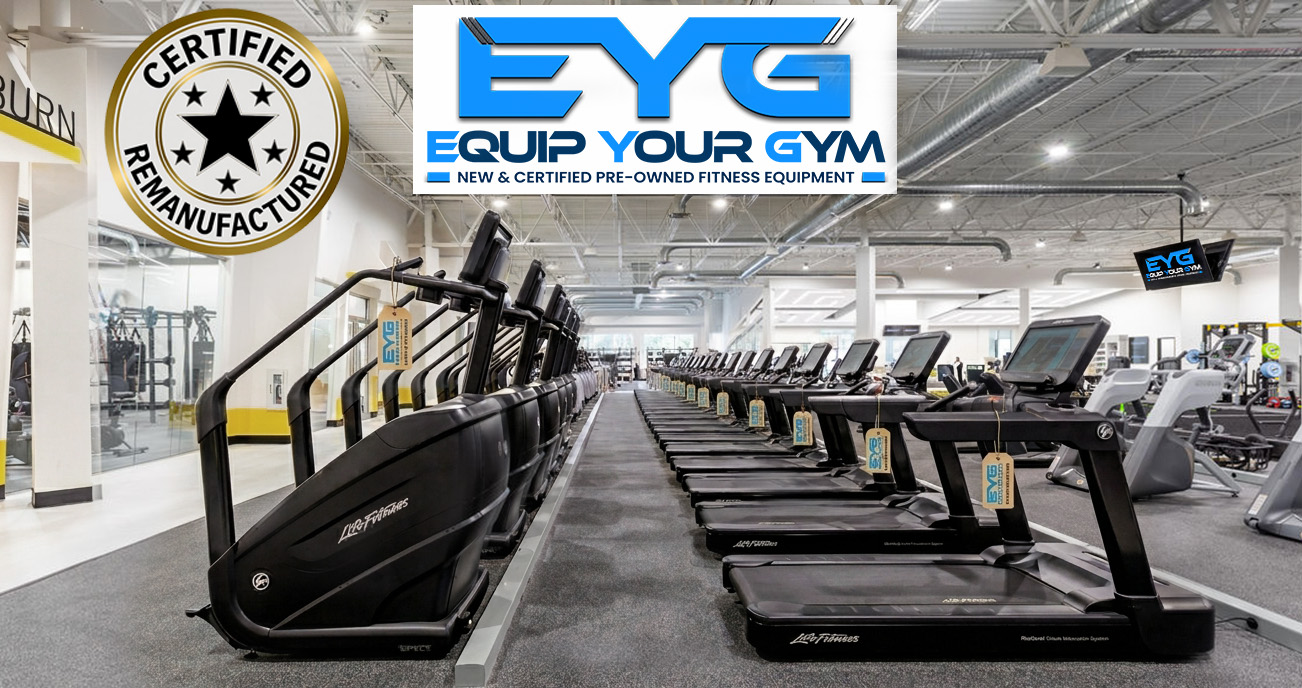
Before you place an order, measure your floor plan and map the exact placement of each machine. Commercial facilities need room not only for equipment, but also for walkways, reception, lockers, and other non-training areas, so buying without a layout often leads to crowding.
Use this checklist:
- Confirm available floor space and ceiling height.
- Match the equipment mix to your members’ needs.
- Check frame quality, stability, and safety features.
- Ask about warranty terms, parts availability, and service response time.
- Compare delivery, installation, and financing costs, not just sticker price.
What to inspect remanufactured
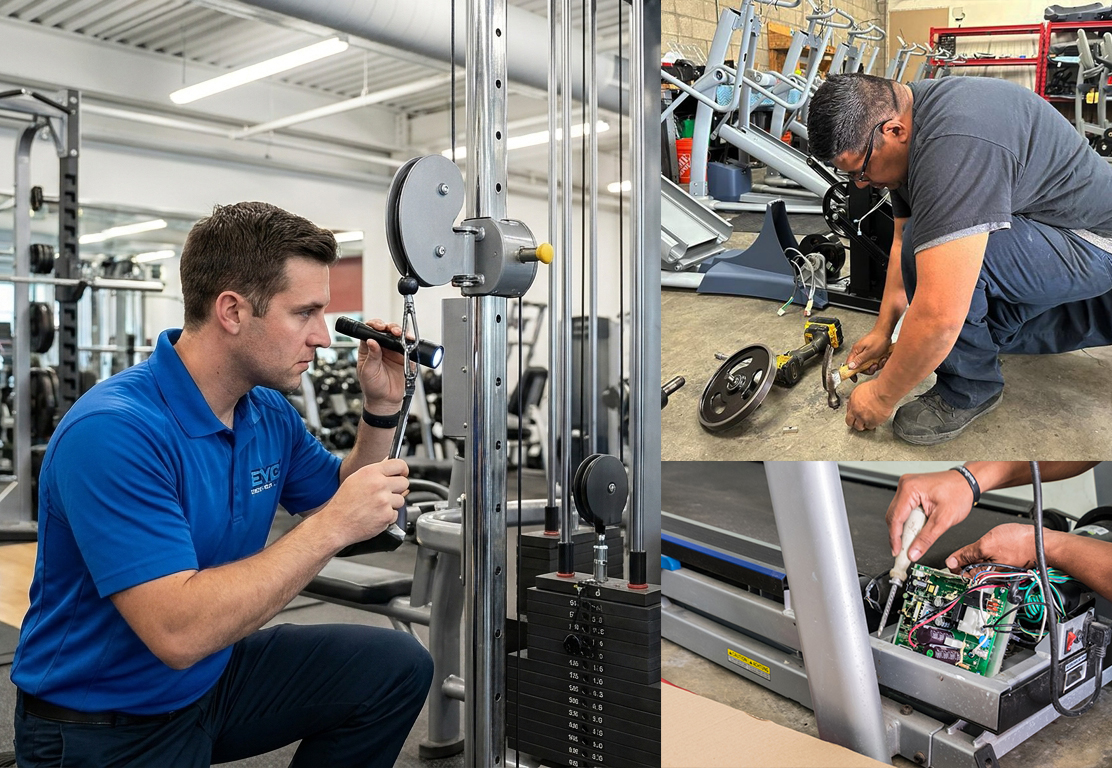
If you are buying remanufactured equipment, ask exactly what was replaced and what was only cleaned or tested. The best remanufactured units should have documented refurbishment work, including wear parts, electronics, upholstery, cables, belts, or bearings where needed.
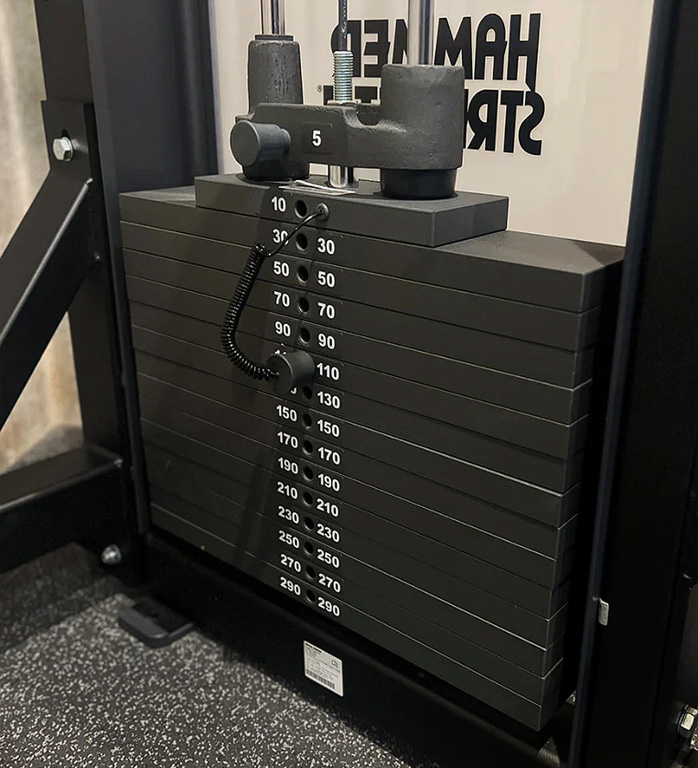
For cardio machines, look for smooth operation, quiet performance, accurate console readings, and evidence that high-wear components were renewed. For strength machines, inspect cables, upholstery, pulleys, guide rods, and the frame finish to make sure the restoration is more than cosmetic.
Where Buyers Shop
Buyers in 2026 often compare specialized commercial fitness dealers, remanufacturers, and large online stores that list commercial equipment. Some sellers focus on broad commercial catalogs, while others specialize in rebuilding machines and supporting bulk orders for gyms and fitness facilities.
That comparison usually comes down to four things: inventory depth, condition, support, and shipping speed. A dealer with strong documentation and clear service policies is often worth paying more for than a cheaper listing with little detail.
Pricing Factors
The price of commercial gym equipment depends on brand, condition, age, delivery distance, and whether installation or assembly is included. Remanufactured equipment often costs more than used gear but less than new, which makes it appealing for buyers who want a balance of savings and reliability.
A smart budget leaves room for:
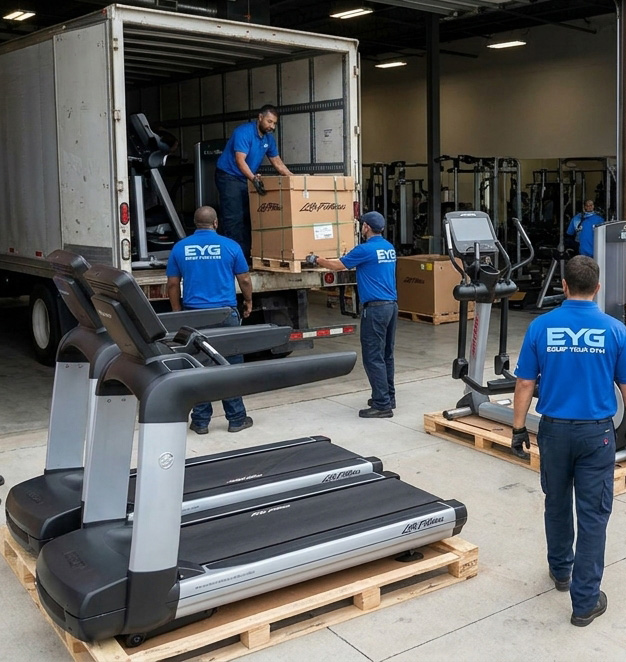
- Freight and lift-gate delivery.
- Installation and setup.
- Flooring and power needs.
- Maintenance and future repairs.
- Spare parts for high-use machines.
Closing Angle for Buyers
The best commercial gym equipment for sale is not simply the cheapest or newest option. It is the equipment that fits your space, serves your members, survives heavy use, and comes from a seller who can support it after the sale.
If you are shopping now, focus on a durable core setup first, then expand with specialty pieces once your member demand is clear. For many buyers, remanufactured equipment offers the right balance of price, quality, and confidence.